
What Mattress Features Help Improve Nighttime Rest?

Finding the perfect mattress can feel overwhelming when you’re staring at dozens of options, each promising the best sleep of your life. But here’s the truth: a good night’s sleep starts with understanding which specific features actually matter for your body and sleep habits, not marketing buzzwords or hefty price tags.
This guide breaks down exactly what mattress features help improve nighttime rest, from firmness and support to temperature regulation and motion isolation. Whether you’re a side sleeper waking up with hip pain, a hot sleeper throwing off the covers at 3 AM, or half of a couple tired of feeling every toss and turn, you’ll learn how to identify the right mattress for your needs.
Key Takeaways
-
A good night’s sleep starts with a mattress that matches your body type, sleep position, and firmness needs, not just price or a popular mattress brand.
-
The core features affecting better sleep are firmness options, pressure relief, spinal alignment, temperature regulation, and motion isolation.
-
The best mattress for back sleepers, side sleepers, stomach sleepers, and combination sleepers will differ significantly; there is no universal “perfect” firmness level.
-
Hot sleepers, people with back pain, and couples sharing a bed should prioritize specific mattress materials and constructions tailored to those challenges.
-
Choosing a high-quality mattress can help you fall asleep faster, stay asleep through the night, wake less often, and reduce morning stiffness and aches and pains.
How Your Mattress Influences a Good Night’s Sleep
The surface you sleep on directly shapes how quickly you drift off, how often you wake during the night, and whether you rise feeling refreshed or groggy. High-quality mattresses can reduce discomfort, allow for deeper sleep stages, and prevent frequent awakenings, turning fragmented rest into truly restorative sleep.
An unsupportive or sagging mattress does the opposite. When your sleep surface fails to hold your body properly, you experience what researchers call micro-awakenings: brief disruptions that pull you out of deep, restorative sleep cycles even if you don’t fully wake up. These interruptions accumulate. One study found that participants sleeping on worn mattresses experienced up to 25% fewer restorative sleep cycles compared to those on new, supportive models. The result? Next-day fatigue, brain fog, and irritability that no amount of coffee fully fixes.
The stakes go beyond feeling tired. Good sleep is linked to long-term health outcomes, including reduced risk of cardiovascular disease, a more stable mood through better serotonin regulation, and sharper cognitive focus throughout the day. Poor sleep, sustained over months and years, correlates with heightened disease incidence across multiple systems in the body.
Consider this: you spend roughly one-third of your life in bed. Even modest improvements in mattress comfort, say, 5-10% better sleep continuity, compound into substantial health gains over time. A comfortable mattress isn’t a luxury; it’s foundational infrastructure for your overall health and well-being.
That’s why understanding what mattress features help improve nighttime rest matters more than chasing the lowest price or the trendiest foam. The following sections break down each critical feature so you can evaluate any mattress options with clarity.
Finding the Right Firmness: Core of Nighttime Comfort
Firmness is typically the first thing shoppers notice when testing a bed, and for good reason. It’s central to defining the best mattress for any individual because it determines how the surface pushes back against your body weight.
The firmness of a mattress is typically measured on a scale from 1 to 10, where 1 is the softest and 10 is the firmest. Most adults find their ideal range falls between 4 and 7, with a medium firm mattress (around 5-7) working well for the majority. A medium-firm mattress is often considered optimal for improving sleep quality and reducing back pain, striking that balance between cushioning and support.
Here’s how different firmness options typically align with different needs:
Soft (3-4 on the scale)
-
Best for: Side sleepers under approximately 200 pounds
-
Why it works: A softer mattress cushions the shoulders and hips, reducing peak pressure by up to 30% compared to firmer options
-
Watch out for: Excessive sinkage that makes repositioning difficult
Medium to Medium-Firm (5-6)
-
Best for: Combination sleepers, many back sleepers, and average-weight adults
-
Why it works: Balances contouring with pushback to maintain neutral spinal alignment
-
Watch out for: May feel too soft for heavier individuals or dedicated stomach sleepers
Firm Mattress (7-8)
-
Best for: Stomach sleepers, heavier adults (over 250 pounds), and some back sleepers who prefer minimal sink
-
Why it works: Prevents the pelvis from dropping too deeply, which can hyperextend the spine
-
Watch out for: Can create pressure points at the shoulders and hips if too firm for your body type
One persistent myth deserves debunking: a very firm mattress is not always best for back pain. Research shows that excessive firmness can actually increase shoulder and hip pressure, exacerbating tension rather than relieving it. Medium-firm surfaces have been shown to improve sleep quality by approximately 55% and meaningfully reduce chronic lower back pain in study participants.
The ideal firmness often depends on individual preferences, body weight, and sleeping position. A good mattress for a 130-pound side sleeper will feel completely different from the right mattress for a 280-pound back sleeper. Trust your body’s feedback over generic recommendations.
Support and Spinal Alignment: Reducing Back Pain at Night
True support isn’t about how hard the surface feels; it’s about keeping your spine in a neutral position that mirrors your natural standing posture while you’re lying down. A high-quality mattress should maintain the spine’s natural curve and be tested to ensure the spine is neutral, not arched or sagging.
Proper spinal alignment means your spine forms a gentle S-curve, whether you’re on your back or side. When support fails, the heaviest parts of your body (typically hips and shoulders) sink too deeply, creating misalignment that strains muscles and ligaments throughout the night.
Zoned Support Systems
Many modern mattresses use zoned support, dividing the sleep surface into 3-7 segments with varying firmness levels. The lumbar zone receives firmer reinforcement (often 20-30% denser coils or foam), while the shoulder and leg zones remain slightly softer. This targeted approach has been shown to alleviate back pain in 60-70% of users by counteracting gravity-induced sagging where it matters most.
Position-Specific Alignment Needs
Back sleepers need even, medium-firm support that fills the natural lumbar gap without elevating the hips unnaturally. A mattress that provides proper spinal alignment and support can help alleviate back pain, especially for back and stomach sleepers who require firmer surfaces.
Side sleepers require a balance of contouring foam layers with resilient core support. The mattress should allow shoulders and hips to sink enough to keep the spine straight horizontally, minimizing torso twist that leads to morning stiffness.
Stomach sleepers generally need a firm mattress with high resiliency to prevent chest collapse and spinal hyperextension. When the pelvis sinks too deeply, it creates a hammock effect that stresses the lower back.
If you regularly wake with lower back pain that fades after 30-60 minutes of movement, that’s often a signal your mattress isn’t providing adequate support. This pattern suggests your spine spent hours in a compromised position, and muscles needed time to decompress. After 5-7 years of nightly use, even a previously supportive mattress may have lost its ability to maintain proper alignment.
Pressure Relief: Easing Joints and Helping You Fall Asleep Faster
Pressure points at your shoulders, hips, and knees can cause numbness, tingling, or outright pain that keeps you from drifting into deep sleep. When concentrated pressure exceeds 30-50 mmHg, it triggers pain receptors and can delay sleep onset by 15-20 minutes while fostering repeated awakenings.
Pressure relief refers to how well a mattress distributes body weight to prevent “hot spots” at high-tension areas like hips and shoulders. Look for mattress materials that contour to the body, such as memory foam or latex, to relieve pressure on high-impact areas.
How Different Materials Provide Pressure Relief
Memory foam adapts slowly to body heat and contours, reducing peak pressures by 25-40% through its characteristic slow-response hug. Memory foam mattresses are often preferred for back pain relief as they contour to the shape of the body and relieve pressure points. This makes them particularly valuable for side sleepers and those with arthritis or joint sensitivity.
Natural latex provides buoyant, quicker-response relief with open-cell structures that cut pressure by 20-30% while resisting the “stuck” feeling some people experience with memory foam. It suits dynamic movers who change positions frequently.
Hybrid mattresses layer foam or latex atop coil systems for combined pressure relief and airflow. Hybrid mattresses combine memory foam and inner springs, providing support to relieve pressure points and avoid pain, making them a good option for back pain relief. They typically outperform all-foam designs in ease of repositioning without sacrificing cushioning.
The Sinkage Balance
Too much sink creates its own problems. When you sink more than about 3 inches into a mattress, repositioning becomes difficult. You may feel trapped, and the effort required to change positions can create secondary back strain. The sweet spot: 1-2 inches of contouring hug with firm pushback underneath.
Conforming materials like memory foam or latex help distribute weight evenly and minimize pain, reducing tossing and turning throughout the night. But the key is balance, enough contour to eliminate pressure points, enough resilience to support easy movement.
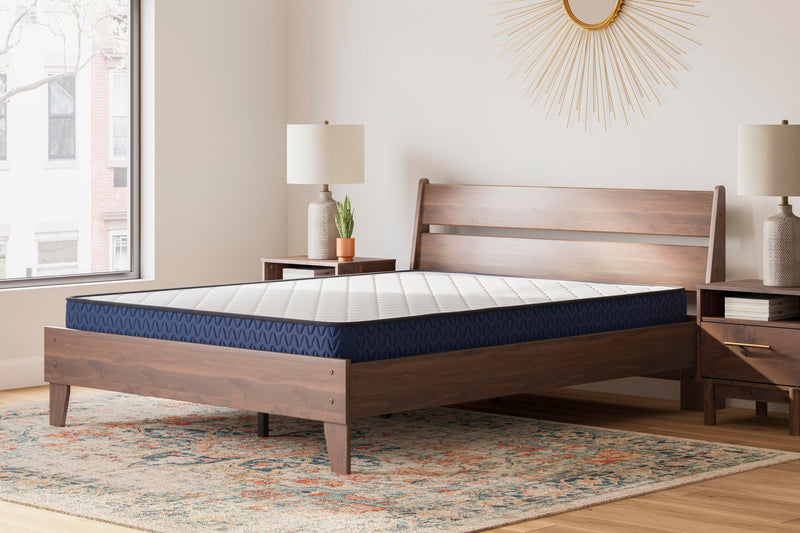
Temperature Regulation: Staying Cool for Better Sleep
Your body temperature naturally drops 1-2°F as you prepare for sleep, initiating your circadian rest cycle. A mattress that traps heat interferes with this process, leading to restless nights and frequent awakenings. A mattress that helps manage body heat prevents midnight wake-ups due to overheating.
Hot sleepers, those who regularly wake up sweaty or overheated three or more nights per week, experience 20-30% more arousals than temperature-neutral sleepers. If you’re constantly throwing off covers or flipping to find a cool spot, your mattress construction may be the culprit.
What Actually Keeps You Cool
Breathable coil systems: Innerspring mattresses and hybrid models with pocketed coil cores facilitate 50-70% greater airflow than solid foam constructions. The space between coils allows air to circulate beneath you.
Ventilated foams and latex: Open-cell structures with perforations enhance convection, moving heat away from your body rather than trapping it. Latex mattresses are known for their excellent temperature control, as latex does not retain heat like memory foam, allowing for a cooler sleep experience.
Phase-change materials and gel infusions: Cooling technologies, such as gel-infused foam and breathable covers, are designed to enhance temperature regulation in mattresses, helping to prevent overheating during sleep. These materials absorb excess heat and release it as you cool down, stabilizing your microclimate within a 2-3°F variance.
Moisture-wicking covers: Fabrics like bamboo and Tencel evaporate sweat roughly twice as fast as synthetic covers, keeping the surface dry and temperature-regulated.
Construction Matters More Than Marketing
Hybrid mattresses typically sleep cooler than all-foam models due to their combination of breathable coils and foam layers, which promote airflow and reduce heat retention. Real airflow and moisture control usually deliver better results than cooling gel marketing claims alone.
Breathable materials like cotton, wool, or latex help maintain a neutral sleep environment, essential for deeper sleep stages. Cooling technologies such as breathable foams and materials designed to feel cool to the touch can aid in the faster onset of sleep.
Hot sleepers who pair a breathable mattress construction with bedroom temperatures around 60-67°F report approximately 25% fewer sleep disruptions. Data shows cooling technology can extend deep sleep by 10-15%, a meaningful improvement for anyone who struggles with nighttime overheating.
Motion Isolation and Edge Support: Sharing the Bed Without Losing Sleep
Couples often lose significant sleep because of partner movement or feeling confined to the center of the bed. Research suggests partners can forfeit 30-50 minutes of sleep nightly due to motion transfer, vibrations propagating across the mattress when someone shifts position, gets up for the bathroom, or tosses and turns.
Understanding Motion Isolation
Motion isolation is essential for couples as it prevents movement on one side of the mattress from disturbing the other. Effective motion isolation means damping vibrations to less than 10% transmission, you feel almost nothing when your partner moves.
Memory foam mattresses are known for their excellent motion isolation, as they contour to the shape of the body and absorb movement, making them ideal for couples who share a bed. The density gradient in quality foam constructions (softer memory foam on top, high-density base beneath) creates a natural vibration buffer.
Hybrid mattresses combine the benefits of foam and innerspring support, providing good motion isolation while also offering bounce and support, making them a versatile choice for different sleepers. Individually pocketed coils isolate movement to a 5-15 centimeter radius, preventing a single motion from rippling across the entire bed.
The level of motion isolation in a mattress can vary based on its construction; generally, softer mattresses with more foam layers tend to isolate motion better than firmer models with more coils.
Why Edge Support Matters
Edge support determines whether you can use the full surface of your mattress or feel like you’re sliding off when you sleep near the perimeter. Good edge support prevents the feeling of sliding off the mattress and contributes to stability when sitting on the edge, useful for getting dressed, putting on shoes, or simply not feeling trapped in the center.
Quality edge support typically comes from:
-
Reinforced foam encasements around the perimeter
-
Steel coils or rails along the edges
-
High-density foam borders
Testing reveals that unreinforced foam edges can compress 40% more than reinforced hybrid constructions. Strong edges sustain integrity over 8 years of use, enhancing perceived sleep surface by 20-30% and reducing roll-off anxiety for restless sleepers.
When shopping as a couple, test both motion isolation (have one person move while the other lies still) and edge stability (sit and lie near the perimeter). These practical tests reveal more than any spec sheet.
Materials and Constructions That Support a Good Night’s Sleep
Different mattress types feel and perform differently for back sleepers, side sleepers, stomach sleepers, and combination sleepers. Understanding these distinctions helps you match construction to your priorities.
All-Foam Mattresses
Foam mattresses, particularly memory foam, are known for their pressure relief and motion isolation, making them ideal for those who share a bed. A typical all-foam construction stacks 2-4 inches of comfort foam over 6-8 inches of high-density base foam.
Strengths:
-
Excellent pressure relief for side sleepers
-
Superior motion isolation
-
Often more affordable than hybrids
Limitations:
-
Can trap heat unless ventilated with gel or open-cell structures
-
May feel too “stuck” for people who change positions frequently
-
Budget foam constructions degrade 20-30% faster under heavier weights (250+ pounds)
Hybrid Mattresses
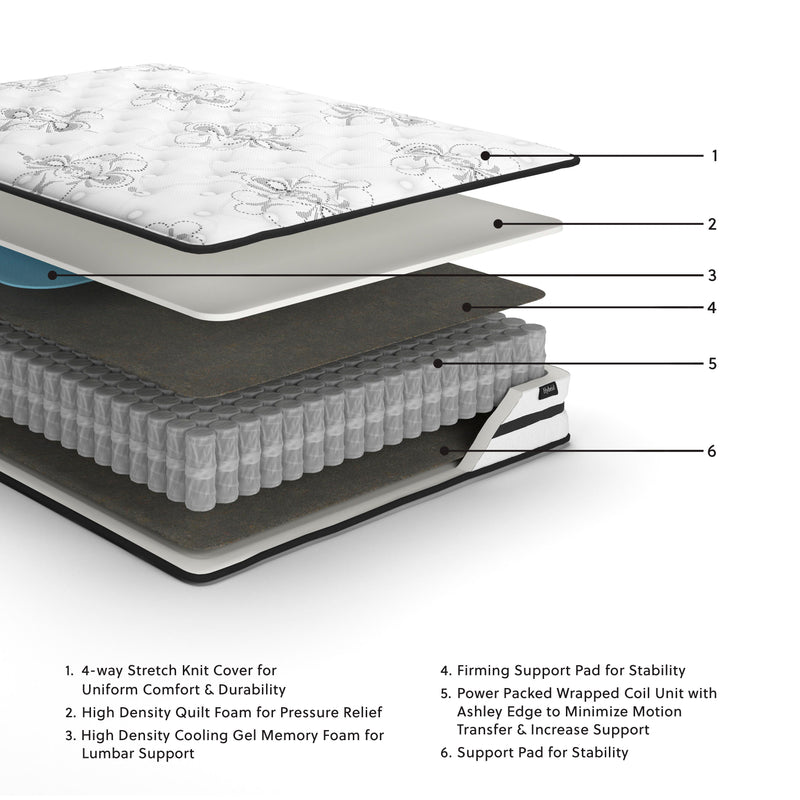
Hybrid mattresses combine the support of innerspring coils with the comfort of foam layers, making them suitable for a variety of sleep styles and preferences. A typical hybrid fuses 8-14 inch coil arrays with 2-3 inch foam or latex comfort layers.
Strengths:
-
Better airflow (15-20% cooler than all-foam)
-
Easier repositioning with natural bounce
-
Zoned coil systems can provide targeted lumbar support
-
Suitable for heavier body types when using 14-gauge or denser steel coils
Limitations:
-
Generally more expensive than basic foam
-
Quality varies significantly between budget and premium models
Hybrid mattresses combine the support of coils with the comfort of foam layers, making them suitable for a variety of sleep styles and preferences. They’ve seen approximately 50% market growth since 2020, reflecting their versatility.
Latex Mattresses
Latex mattresses are durable and breathable, providing a responsive feel without the deep sink associated with memory foam, making them suitable for hot sleepers. Natural latex offers 2-3x the resilience of standard foam and is naturally antimicrobial.
Strengths:
-
Excellent durability (15+ year lifespan)
-
Buoyant, responsive feel that suits combination sleepers
-
Cooler sleep than memory foam
-
Hypoallergenic properties
Limitations:
-
Higher price point, especially for natural latex versus synthetic latex
-
Heavier and harder to move than foam mattresses
Innerspring Mattresses
Innerspring mattresses are characterized by their coil support systems, offering a bouncy feel and good airflow, which can help keep sleepers cool.
Strengths:
-
Excellent breathability
-
Traditional bounce that some sleepers prefer
-
Often more affordable
Limitations:
-
Poorer motion isolation unless pocketed coils are used
-
May wear faster than hybrids or latex
-
Less contouring for pressure-sensitive areas
When evaluating mattress options, match material choice with your main priorities: cooling for hot sleepers, contouring for back pain, ease of movement for combination sleepers, or value for budget-conscious shoppers.
Special Considerations for Different Sleeper Types
No single best mattress exists for everyone. Needs differ by body weight, sleep position, and sensitivity to temperature or pressure. Here’s position-specific guidance:
Back Sleepers
Back sleepers (approximately 30-40% of the population) generally do best on a medium-firm mattress in the 5-7 firmness range. The surface should fill the natural lumbar curve without allowing the hips to sink too deeply.
Priority features:
-
Even consistent support across the surface
-
Zoned lumbar reinforcement
-
Moderate contouring (not excessive sink)
Back and stomach sleepers often require a firmer mattress for better spinal alignment. Hybrids with zoned coil systems often excel for back sleepers who want both support and pressure relief.
Side Sleepers
Side sleepers (approximately 55% of the population) need a softer mattress, typically 4-6 on the firmness scale, that cushions shoulders and hips. Side sleepers generally benefit from a softer mattress that cushions the shoulders and hips, preventing pressure buildup in these sensitive areas.
Priority features:
-
Generous contouring at the shoulders and hips
-
Adequate support to prevent spinal sag
-
Pressure-relieving foam layers or pillow-top construction
Memory foam mattresses and plush hybrid models often work best for dedicated side sleepers, minimizing peak pressure at contact points.
Stomach Sleepers
Stomach sleepers (approximately 7-15% of the population) need firmer options, typically 7-9 on the scale, to prevent the pelvis from sinking and hyperextending the lower spine.
Priority features:
-
Firm, high-resiliency surface
-
Minimal sinkage in the hip area
-
Good breathability (face is often partially in the mattress)
Choosing the right firmness level is crucial for back pain relief, as stomach sleepers need firmer surfaces for spinal alignment.
Combination Sleepers
Combination sleepers (20-30% of the population) change positions throughout the night and need a mattress that accommodates multiple sleeping styles. They typically thrive on responsive hybrids in the 5-7 firmness range.
Priority features:
-
Easy repositioning (responsive rather than slow-sinking materials)
-
Broad “comfort zone” that works in multiple positions
-
Balanced contouring and support
Latex and hybrid models often suit combination sleepers better than dense memory foam, which can make position changes feel laborious.
Body Weight Considerations
Heavier individuals (over 250 pounds) generally benefit from firmer, more supportive constructions. Reinforced coils (14-gauge or denser) resist the 30% compression that lighter-gauge systems may experience. High-density foam bases prevent premature sagging.
Lighter sleepers (under 130 pounds) often need softer comfort layers to achieve adequate contouring. A medium-firm mattress that provides ample support for a 200-pound sleeper may feel like sleeping on a board to someone weighing 120 pounds.
People with chronic back pain or joint issues should consider mattresses with targeted lumbar support and high-quality pressure-relieving comfort layers. Medium-firm zoned hybrids have been shown to reduce pain symptoms by 40-55% in various assessments.
Durability, Lifespan, and When to Replace Your Mattress
Even a good mattress gradually loses support and comfort over time, quietly affecting your nighttime rest. The support you felt when your mattress was new may have diminished significantly without you noticing the gradual change.
Expected Lifespans by Construction
All-foam mattresses: 6-8 years before experiencing 20-30% support loss (measured by ILD firmness decline)
Innerspring mattresses: 6-8 years, though quality varies widely
Hybrid models: 8-10+ years due to durable coil systems (80% resilience retention) combined with quality comfort layers
Latex mattresses: 10-15+ years, with natural latex outlasting synthetic latex significantly
Look for high-density foam (above 1.7 PCF) for mattress longevity, alongside mattress options that offer a generous trial period of 90 nights or longer. This allows adequate time to assess whether the mattress truly works for your sleep needs.
Signs It’s Time for a New Mattress
-
Visible sagging greater than 1 inch, especially under high-pressure areas
-
Permanent body impressions deeper than 0.75 inches
-
Doubled awakenings compared to when the mattress was new
-
New or worsening aches and pains that weren’t present a year ago
-
Sleeping better elsewhere, if hotel or guest beds consistently feel more comfortable, your mattress has likely degraded
Data shows a 15-20% deep sleep decline after approximately 7 years of mattress use, even when the surface appears intact. If your previous mattress served you well but you’re now experiencing symptoms, age-related degradation is a likely culprit.
Extending Mattress Life
Using a quality mattress protector shields against moisture, dust mites, and body oils that accelerate material breakdown. Rotating the mattress 180 degrees every 3-6 months (when the design allows) distributes wear more evenly, potentially extending useful life by 20-25%.
Support your mattress with an appropriate base, firm slat foundations with gaps no wider than 3 inches, or a box spring if the manufacturer recommends it. Sagging foundations transfer their failures directly to the mattress above.
Holding onto a worn-out mattress can quietly erode your sleep quality over time, even if it feels familiar. The gradual nature of support loss means you may not realize how much your rest has degraded until you experience a properly supportive surface again.
Simple Bedroom Tweaks to Maximize Mattress Benefits
A mattress does its best work when the overall sleep environment also supports relaxation and uninterrupted rest. Even the right mattress underperforms in a bedroom that’s too warm, too bright, or too stimulating.
Temperature and Lighting
Keep your bedroom between 60-67°F (15-19°C), the range that best supports your body’s natural temperature drop during sleep. Blackout curtains can reduce melatonin suppression by approximately 50% compared to rooms with ambient light, helping you fall asleep faster and stay asleep longer.
Screen Time Management
Limit bright electronic devices for at least 30-60 minutes before bed. The blue light from phones, tablets, and computers suppresses melatonin production and keeps your brain in an alert state when it should be winding down.
Pillow Selection
Choose pillows that match your sleep position to complement mattress support:
-
Side sleepers: Higher loft pillows (5-7 inches) to fill the gap between the shoulder and the head
-
Back sleepers: Medium loft pillows (4-6 inches) that support the neck’s natural curve
-
Stomach sleepers: Very thin pillows or none at all (under 4 inches) to prevent neck hyperextension
Mismatched pillows can undermine even perfect mattress alignment, contributing to 20-30% of neck strain complaints.
Sleep Routine Consistency
A good night’s sleep starts with a consistent wind-down routine that signals to your brain: it’s time to rest. Whether that’s reading, gentle stretching, or simply dimming the lights, the ritual matters more than the specific activities. Over time, your brain will associate the bed and a comfortable mattress with sleep rather than work, worry, or scrolling, and you’ll fall asleep more efficiently.
These environmental factors work synergistically with your mattress choice. A breathable, supportive mattress in a cool, dark, quiet room creates conditions for 30% faster sleep onset compared to a quality mattress in a suboptimal sleep environment.
Visual Guide: How Mattress Features Support Better Sleep
Understanding mattress features becomes easier with clear visual references. The following images illustrate key concepts discussed throughout this guide.
Image 1: Spinal Alignment Comparison. This diagram shows how different firmness levels affect the spine for back sleepers and side sleepers. Notice how the “just right” mattress keeps the spine in a neutral position, neither arched nor sagging, mirroring natural standing posture.

Image 2: Hybrid Mattress Construction This cross-section reveals the layered construction of a typical hybrid: comfort foam on top for pressure relief, transition foam for graduated firmness, and pocketed coils below for support and airflow. Each layer serves a specific function in creating balanced sleep support.
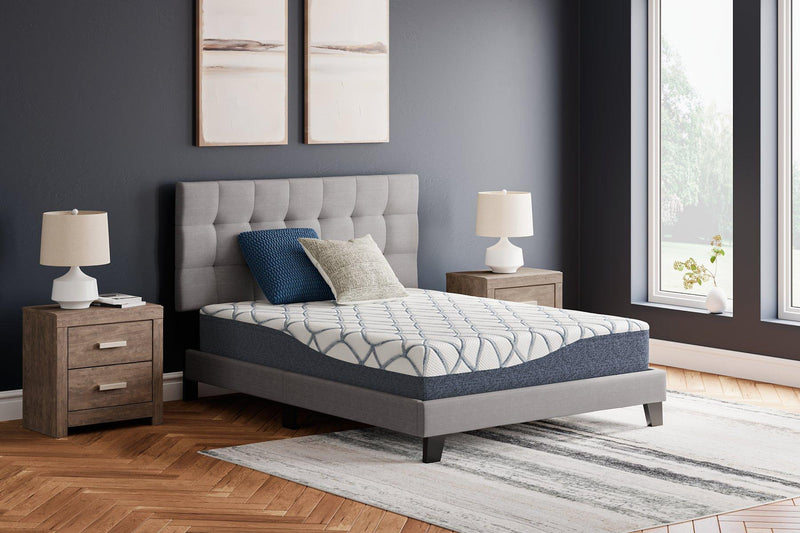
Image 3: Temperature Distribution Comparison. This heat-map style graphic contrasts a basic all-foam mattress (showing concentrated heat retention) with a breathable hybrid or latex design (showing dispersed, cooler temperature patterns). For hot sleepers, this difference directly impacts comfortable temperature maintenance throughout the night.

Image 4: Edge Support Demonstration. This comparison shows poor versus strong edge support under seated weight. Notice how reinforced edges maintain stability while weak edges compress significantly, affecting the usable sleep surface and confidence when sitting on the bed.
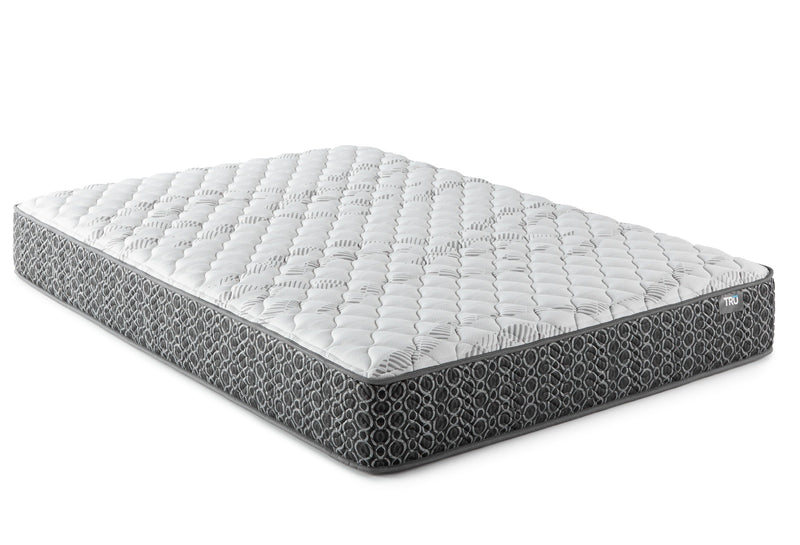
Image 5: Complete Sleep Environment. This lifestyle image demonstrates how mattress choice works together with pillows, bedding, lighting, and room setup to create conditions for a restful night’s sleep. Notice the calm atmosphere, appropriate darkness, and clean, uncluttered space that signals relaxation to the brain.
FAQ: Mattress Features and Nighttime Rest
How do I know if my current mattress is hurting my sleep?
Several concrete signs suggest your mattress may be undermining your rest. If you need an unusually long time, more than 20 minutes, to find a comfortable position each night, that’s a red flag. Waking up with new or worsening back pain that wasn’t present a year ago indicates the mattress feels inadequate for your support needs. Visible sagging, lumps, or permanent body impressions deeper than three-quarters of an inch signal material breakdown.
Perhaps the most telling indicator: if you consistently sleep better on hotel beds, guest mattresses, or even your couch, your own mattress likely isn’t providing what you need. Track your symptoms for 2-3 weeks, maintaining good sleep hygiene throughout. If problems persist despite a consistent sleep routine, the mattress is likely part of the problem.
Is a firm mattress always better for back pain?
No, this is one of the most persistent myths in mattress shopping. While a firm mattress can help some back sleepers and stomach sleepers, research generally supports medium-firm as the best starting point for most people with back pain. Studies have shown medium-firm surfaces improve sleep quality by approximately 55% and meaningfully reduce chronic lower back pain.
The ideal mattress feels balances spinal support with enough cushioning so shoulders and hips aren’t over-pressured. Excessive firmness can actually elevate pressure at contact points, exacerbating tension rather than relieving it. The goal is a surface firm enough to prevent sagging while soft enough to avoid creating new pressure-related discomfort.
What mattress features are most important for hot sleepers?
For hot sleepers, breathable construction matters more than specific cooling brand claims. Prioritize:
-
Coil-based support systems (innerspring or hybrid) that facilitate 50-70% greater airflow than solid foam
-
Ventilated or open-cell foams that allow heat to dissipate rather than accumulate
-
Natural latex, which doesn’t retain heat like traditional memory foam
-
Moisture-wicking covers made from materials like bamboo, Tencel, or cotton
Cooling technologies like gel infusions can help, but they work best when combined with genuinely breathable construction. A gel-infused memory foam mattress with no airflow will still sleep warmer than a well-ventilated hybrid with standard foam.
Complement your mattress choice with lighter bedding and a cooler bedroom temperature (60-67°F) for better sleep throughout the night.
How long should it take to adjust to a new mattress?
Most people need anywhere from a few weeks up to about 30 days for their body to fully adapt to a different level of firmness and support. Your muscles and alignment have adapted to your previous mattress over months or years; they need time to readjust to new sleeping conditions.
During this adjustment period, you may experience temporary discomfort that differs from your old mattress; this is normal. However, if you experience severe or worsening pain that intensifies over the first few weeks rather than diminishing, that may signal a poor fit rather than an adjustment period.
Take advantage of the generous trial period offered by many mattress sellers (look for 90 nights or longer) to give yourself adequate time for a fair assessment. Most quality mattresses allow returns within this window if the match simply isn’t right for your body.
Do I need a specific mattress if I’m a combination sleeper?
Combination sleepers, those who shift between back, side, and sometimes stomach positions throughout the night, benefit most from mattresses that balance multiple needs rather than optimizing for a single position.
Look for:
-
Medium to medium-firm feel (5-7 on the firmness scale) that provides a broad comfort zone
-
Responsive materials like latex or hybrid constructions that allow easy repositioning without feeling stuck
-
Balanced pressure relief and support that works reasonably well in multiple orientations
Avoid extremes: very soft mattresses that feel great on your side may cause back discomfort when you roll over; very firm surfaces that support stomach sleeping may create pressure points when you shift to your side.
Hybrid models and latex mattresses often suit combination sleepers better than dense memory foam, which can make frequent position changes feel laborious. To enhance sleep quality, prioritize ease of movement and a mattress that doesn’t punish you for changing positions throughout the night.
Get Mattress Collection at MOJO Outlet Today
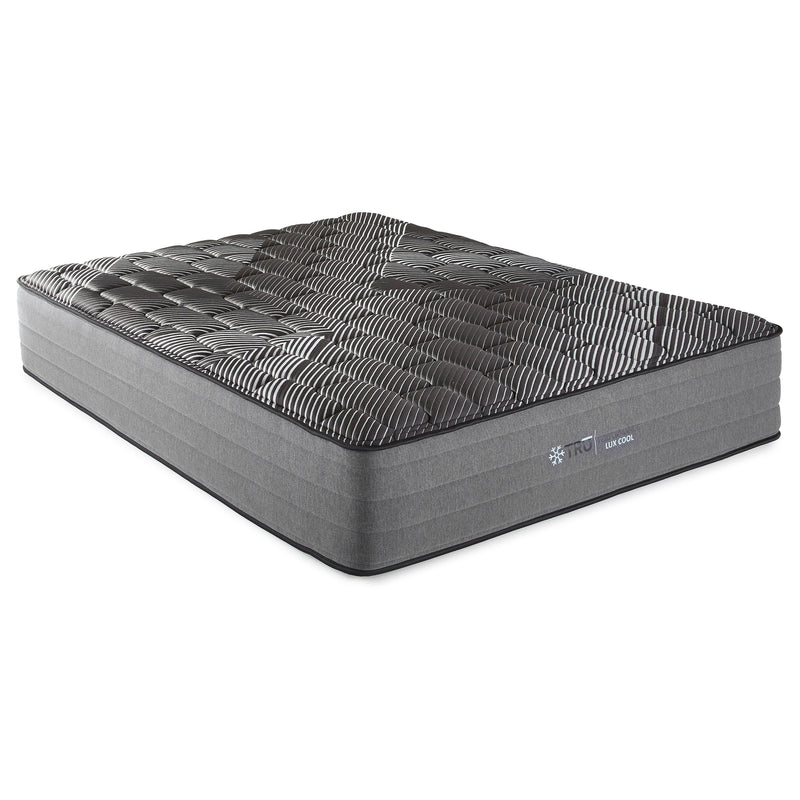
Upgrade your sleep with the mattress collection at MOJO Outlet today and create a bedroom that is comfortable, supportive, and designed for better rest every night. Whether you prefer soft, medium, or firm comfort levels, you will find a wide range of mattress options, including memory foam, innerspring, and hybrid designs that fit different sleep styles and needs. Choosing the right mattress helps improve sleep quality and overall daily energy.
Now is the perfect time to refresh your bedroom setup. Get mattress collection at MOJO Outlet now and enjoy better comfort, better support, and a more relaxing sleep experience every night.